On this page 7 sections
PrologueThe Concord
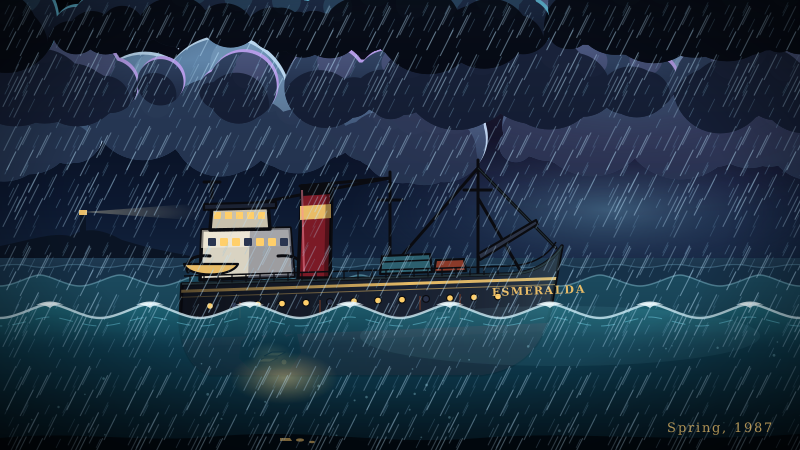
Nobody remembers the gold war fondly. In the spring of 1987 the treasure ship Esmeralda went down off the southern coast with four million in bullion in her hold, and five gangs spent the next year killing each other over a salvage claim nobody could ever collect. Ports burned. Factories stood idle. The Speedway in Sundale was a parking lot for armored cars.
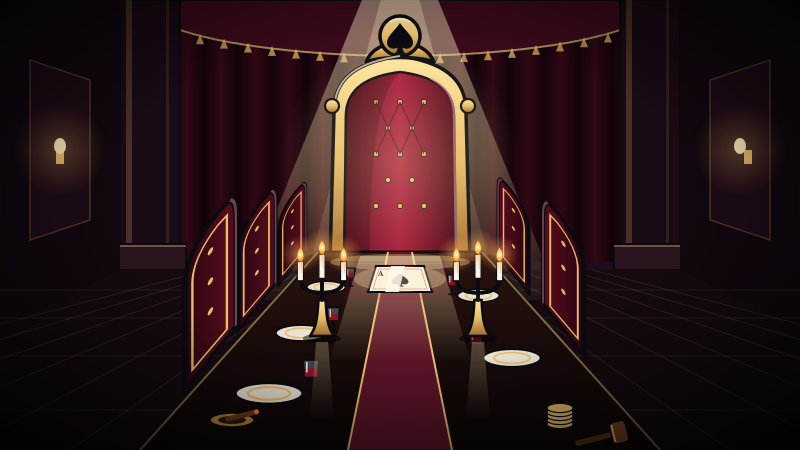
It ended in a card room. A soft-spoken casino man named Augustin Vale invited the five bosses to the back table of his new place, a gaudy palace of red carpet and brass called The Golden Ace, and dealt them a deal instead of a hand. Every family would get a city. Every city would get a Golden Ace, and every Ace would be neutral ground. Disputes would be settled at Vale's table, not in the street. And every debt, every bribe, every favor owed between them would be written down in one place, so nobody could ever lie about who owed what.
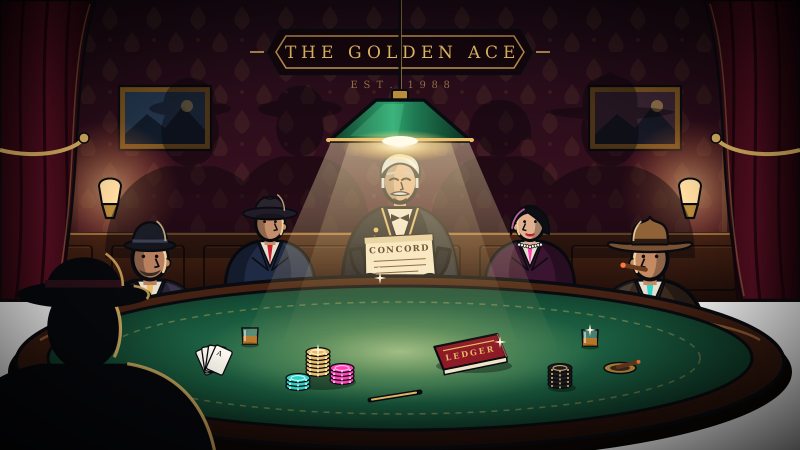
They called it the Concord. They called the book the Ledger. And they called Vale, with a mix of respect and fear that never quite wore off, the Chairman.
For thirty-nine years it worked. Cops got their envelopes on time. Mayors got their campaign money and their quiet. The families got rich, the cities got skylines, and the regular people of the Nation got something close to peace, as long as they didn't ask where the money for the new hospital wing came from.
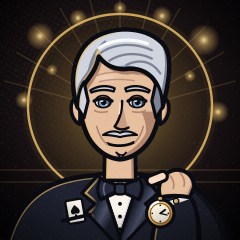
"Every man in this Nation has a page in my book. Mine is the only one that's blank, and that's why you trust me."Augustin Vale, at the signing of the Concord, 1988
The inciting incidentThe night the lights went out
Thirteen months ago, on the fortieth anniversary of the first Golden Ace, the Chairman threw a party in Neon Bay. Every boss came. Every judge who mattered came. The Commissioner came, and so did the Mayor.
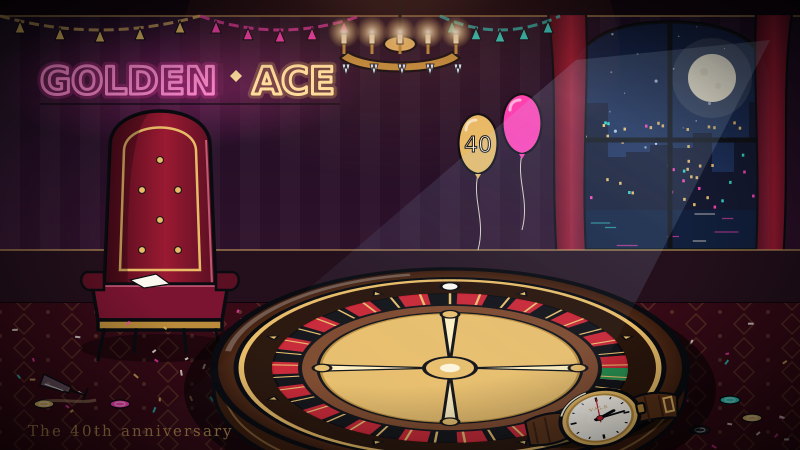
At 2:14 in the morning the power failed across the whole Strip. For ninety seconds the only light in Neon Bay was the moon on the water. When the generators kicked in, the Chairman's chair at the head of the high-limit room was empty. His private elevator was still on the penthouse floor. His car was still in the garage. His wristwatch was found on the roulette wheel, stopped at 2:14.
The Ledger was gone too.
What happened next happened fast. Without the Ledger, no debt in the Nation could be proven. Without the Chairman, no dispute could be settled. The holding company that owned the deeds to half of every downtown, Ace Holdings, collapsed in a week when its lawyers discovered that nobody alive could sign for it. The banks called in every loan. The courts voided the deeds. And the five city halls, broke and terrified, did the only thing they could think of: they bulldozed the condemned blocks and started selling the land back, one lot at a time, to anyone with cash.
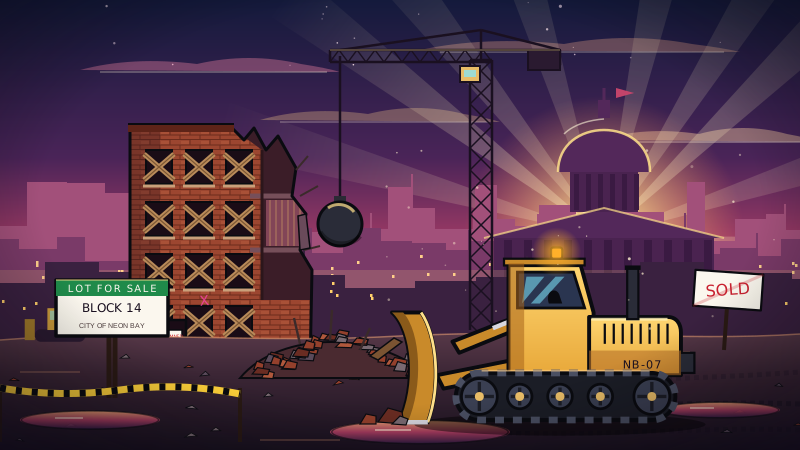
Downtown is still standing: the city halls, the precincts, the hospitals, the banks, the Golden Aces. Everything else is open ground and wet concrete. Every city in the Nation is growing again from the middle out, block by block, owner by owner. Whoever builds the most, holds the most and survives the longest will decide what the Nation becomes next.

"We have no evidence of foul play. We have no evidence of anything. Frankly, that's what worries me."Commissioner Harlan Croft, press conference, the morning after
That is where you come in.
The boardThe five cities
The Concord split the Nation five ways, and the lines still matter even with the Chairman gone. Each city has its own family, its own economy and its own secrets.

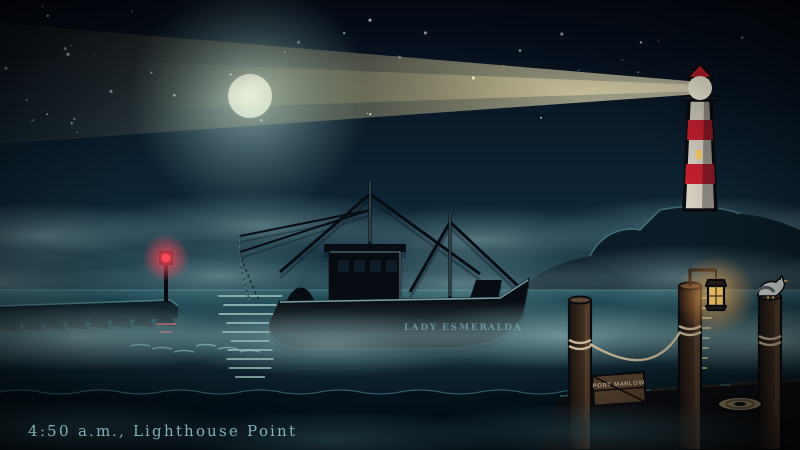
Port Marlow: the harbor
Old money, older grudges. Every crate that enters the Nation comes through the Marlow Docks, and the Red Lotus has decided which crates get inspected for three generations. The harbor masters here are famously quiet, and the quietest of all, Ingrid Holm, logged one ship leaving port the night the Chairman vanished. It had no manifest. Read about Port Marlow.
Sundale: the desert
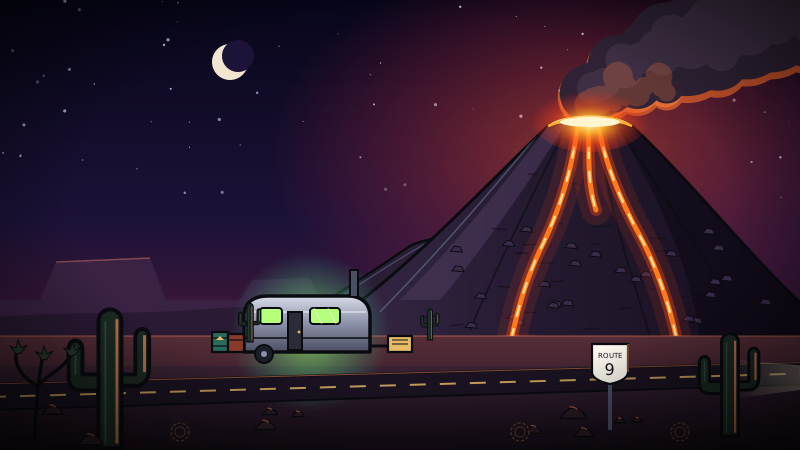
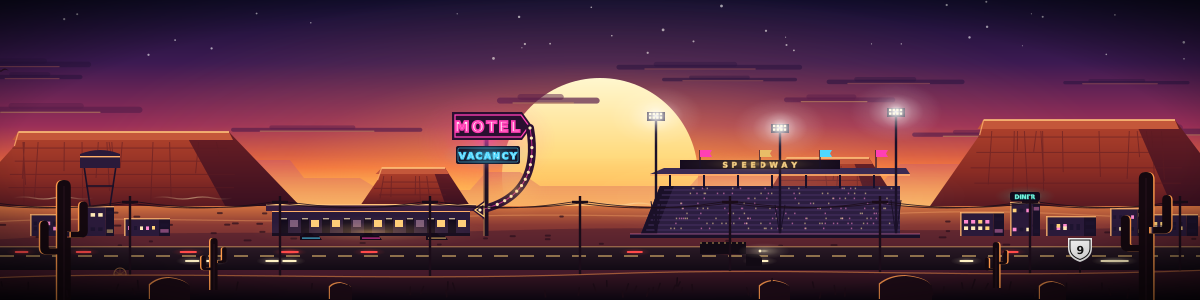
Sun-bleached sprawl on the edge of nowhere, where the highway meets the sand and land is cheap enough to build an empire on a waitress's savings. The Southside Saints run the motels, the garages and the betting windows at the Speedway, and their leader, a former priest, still hears confessions in the back of a cantina. Read about Sundale.
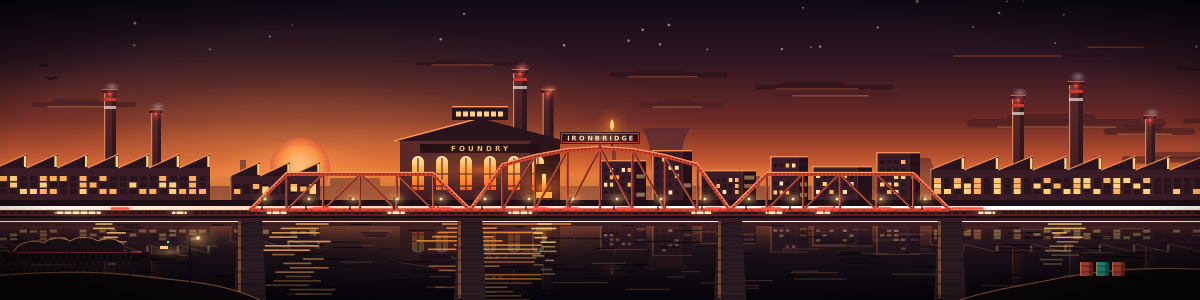
Ironbridge: the foundry
Steel mills, union halls and fight clubs. When the Chairman vanished, the factories kept running because the Iron Kings told them to. Here, a union card and a strong right hand are worth more than a bank account, and the Foundry Fight Club is where disputes go to get settled now that Vale's table is empty. Read about Ironbridge.

Neon Bay: the strip
Casinos, clubs and a boardwalk that never sleeps. Neon Bay is where the Chairman disappeared, and it is the only city in the Nation where the law still lets anyone build a casino. The Velvet Syndicate owns the nights here and most of the mornings. Read about Neon Bay.
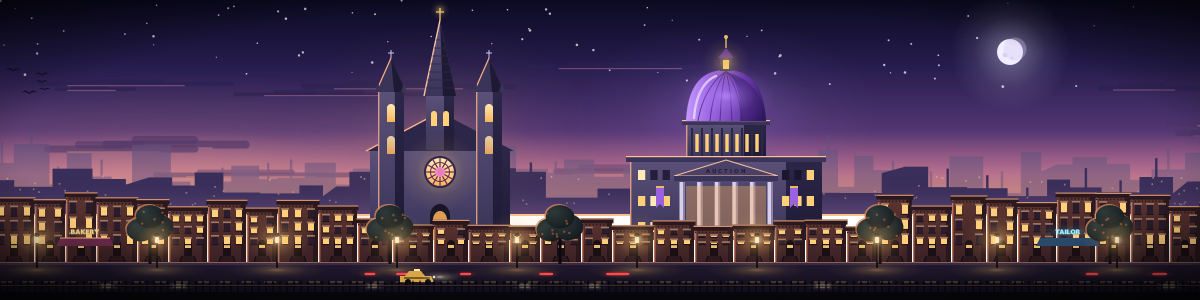
Havenbrook: the old quarter
Brownstones and bakeries and stoops where grandmothers have watched the same corner for sixty years. The Families signed the Concord first and believe they should inherit it. Their old estates are being sold off at the Auction House one dead man's armory at a time. Read about Havenbrook.
Choose your sideThe three paths
When you arrive in the Nation, you choose who you are. It is a real choice: each path plays differently, earns differently and fights differently. Each has its own reason for wanting the throne filled, or burned.